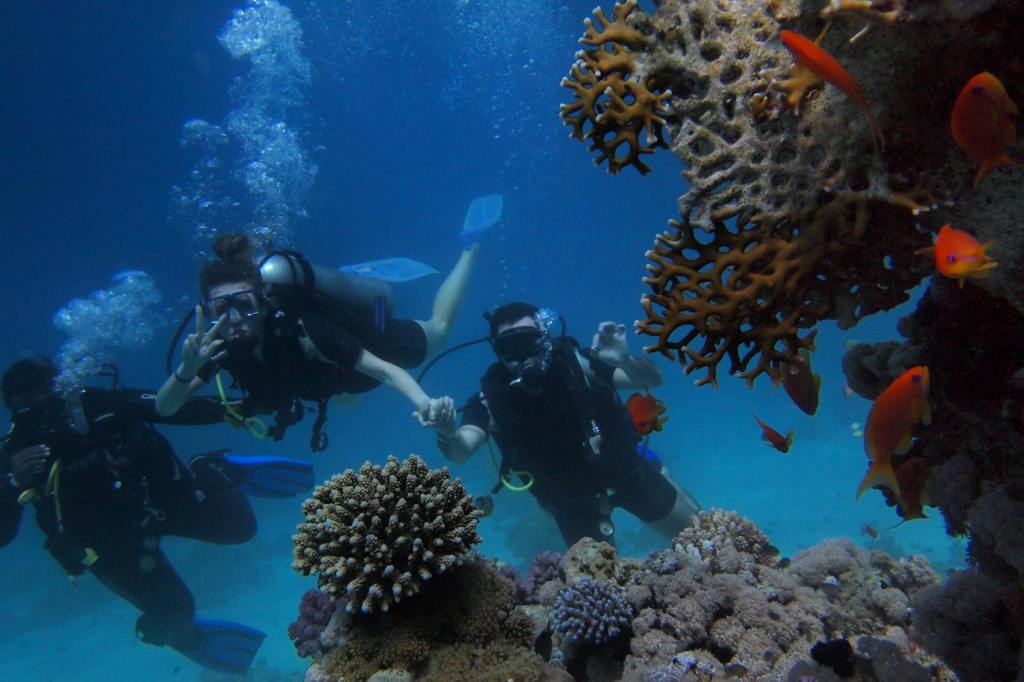
- Why I walked away from my first dive shop
- What to think about before starting your Divemaster Training
- Which dive organisation should you train with?
- What’s included in your Divemaster training?
- Divemaster Internship – Is it worth it?
- What does professional diving equipment really mean?
- The “zero to hero” divemaster route – good idea or not?
- Final thoughts – making the right choice for your diving journey

Why I walked away from my first dive shop
When I first set out to do my Divemaster training, my plan was simple: return to the shop where I’d done my Open Water course, complete all my training there, and then work the high season. In my head, this was the natural path. I was already spending every day in the shop, helping out, diving, assisting instructors and working alongside another DMT. At the time, it all felt like part of the journey.
It wasn’t until I officially started my DMT and read the standards that I realised how much of what I’d been doing was not allowed. I shouldn’t have been assisting with courses, and some of the situations I ended up in were not just unprofessional – they were dangerous. But unfortunately, it wasn’t the only red flag.
I witnessed instructors shouting at students, blaming DMTs for things that were part of the learning process, and even taking divers – myself included – on decompression dives without any briefing. This instructor took an Open Water student on this deco dive, left us underwater on our own, and tried to convince us to skip the stop “to show it wasn’t a big deal”. Looking back, it was an enormous breach of safety standards.
During my Rescue course, things escalated even further. In one of the earlier exercises, I surfaced with a completely blood-red eye because the instructor pushed the drills so aggressively that a blood vessel burst. Then came the so-called “stress dive”. Not only was it far beyond what is reasonable for Rescue training, but it was also carried out while the instructor had an Open Water student with him on a training dive. Underwater, he pulled off my mask, opened my cylinder band, inflated my BCD – everything far beyond what is allowed under the standards.
Still, then he crossed a line I will never forget: he closed my tank completely and told his OW student not to give me air until my SPG hit zero. This wasn’t just unsafe; it was a significant violation of standards and a terrible example for a brand-new diver. That experience alone was enough to make me rethink the entire training environment. That same instructor also told me not to aim for “too much precision” during my Deep Specialty. The irony still makes me laugh.
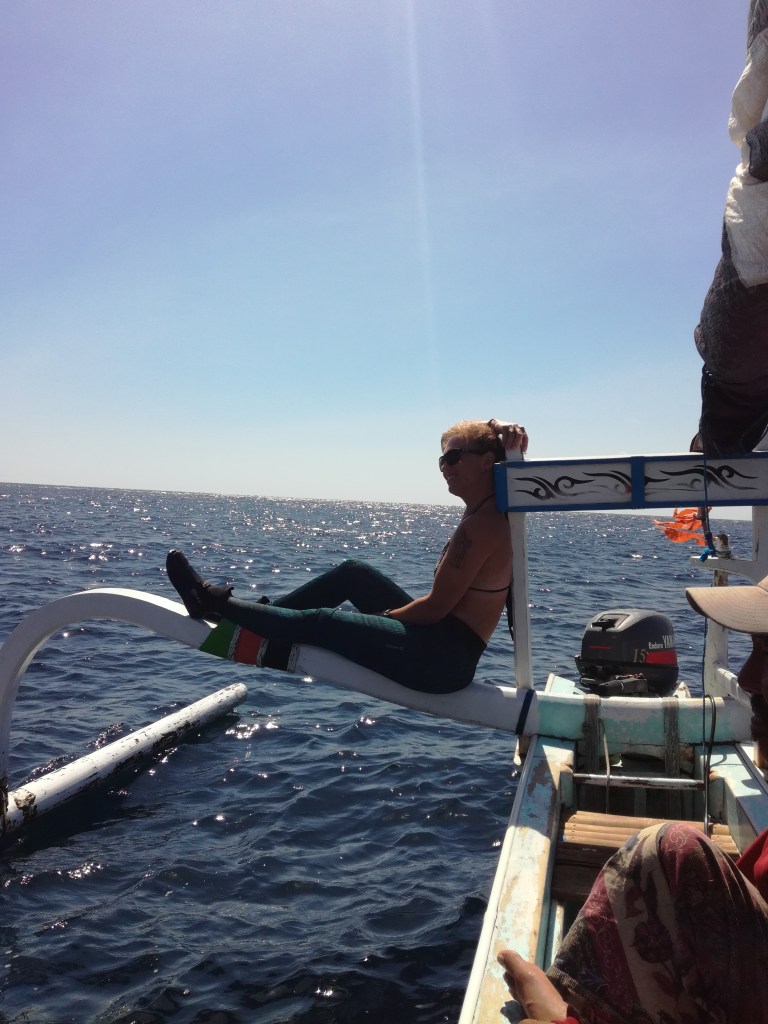
It’s probably no surprise that I refused to continue my DMT in that shop. Instead, I went to Bali and found a fantastic dive centre where I completed a proper two-month Divemaster course with a demanding – but fair and supportive – instructor. I’m still grateful for that experience.
Strangely, the awful situations in the first shop became invaluable. They showed me exactly how I never want to treat people in diving, and they’re a big part of why I started this blog: to help future dive professionals avoid the same mistakes, and to know what good, safe, professional training actually looks like.
What to think about before starting your Divemaster Training
The Divemaster course is the first step towards becoming a professional diver, helping you build the confidence and skills to manage tricky situations and lead dives safely. As this is a fairly intensive level of dive training, it usually takes around one to two months to complete, depending on where and how you do it. Taking the time to plan ahead will make the whole experience smoother and far more rewarding.
Before signing up, make sure you’ve budgeted for everything involved — not just the Divemaster course cost, but also your diving equipment, accommodation, and general living expenses. It’s also worth thinking carefully about where you’d like to do your Divemaster training and what kind of diving environment will suit you best, whether that’s tropical reefs, cooler waters, or a local dive centre close to home.
Becoming a professional or staying a recreational diver?
Before you start your Divemaster course, it’s worth asking yourself a simple but important question: are you doing it mainly for personal growth, or do you see yourself working in the diving industry afterwards? Your motivation will shape the kind of training experience you’ll want, and the dive centre that best suits your goals.
If you’re taking the course to challenge yourself and improve your diving for personal reasons, focus on the areas where you’d like to grow — whether that’s confidence in the water, leadership skills, or handling more advanced diving conditions. Be upfront about this with your instructor, otherwise your training may be geared more towards preparing you for professional work than personal development.
If, on the other hand, you’re hoping to build a career in diving, it’s worth treating the course as your professional foundation. Choose a dive shop that offers thorough, hands-on training and chances to gain real experience. Bear in mind that the Divemaster course is very different from the recreational levels you’ve done before — you’ll often train alongside other courses, helping with students, guiding divers, and learning about dive shop operations. A solid Divemaster education will give you the best possible base if you plan to continue towards instructor level later on.

Choosing the right dive shop for your training
It’s always nice to do your Divemaster training with a dive shop you already know and trust. If that’s not possible, think carefully about where you’d like to dive for the next months. If you want to continue to work as a Divemaster you should check the legal possibility as well (Visa). In this case it’s good to look for dive shops who offer job positions after the course. Once you’ve narrowed that down, start exploring your options. Read through dive shop websites, check reviews, and get a feel for their approach and atmosphere.
A dive centre that offers instructor-level courses often has an Instructor Trainer or Course Director on hand. This can be a real advantage, as these experienced professionals usually support or oversee parts of the Divemaster training, offering valuable guidance and feedback along the way. Assisting several instructor during your training gives you broader experience and helps you understand how to adapt to various student needs — something that will serve you well if you plan to progress to instructor level later.
Ultimately, choosing the right dive shop is about more than just location or price. Look for a place that feels welcoming, professional, and genuinely invested in helping you grow as a diver. Once you’ve found a few promising options, there are still a few key questions to ask before signing up, just to make sure it’s the right fit for you.

Key questions to ask before signing up
Before you commit to a Divemaster training course, it’s worth asking the dive shop a few important questions to avoid any surprises later on. Make sure you’re clear about how the training is structured, what’s included in the price, and what extra costs you might need to cover — such as equipment, accommodation, or insurance. It’s also sensible to ask about living expenses during the course and any expectations around helping in the shop or working with customers.
Here are a few useful questions to get you started:
- How is the training organised and how much time will I actually spend in the water with my instructor?
- What’s included in the course price — equipment, certification fees, training materials, and dives?
- If certain things aren’t included, what extra costs should I expect, or what gear will I need to buy?
- What are the accommodation options and typical living costs during the training?
- Am I covered by insurance for diving accidents, or do I need to arrange my own?
- Will I be expected to work in the shop or help sell courses or gear? If so, how much time will that involve, and will I get any commission or days off?
Some dive centres ask Divemaster trainees to help with sales or bring in customers without pay, while others offer a small commission on completed sales. It’s best to clarify all this in advance and decide for yourself what feels fair — clear communication now will save potential frustration later.
Which dive organisation should you train with?
Choosing the right diving organisation for your Divemaster course largely depends on your long-term goals. If you’re doing the course mainly for personal development and to become a more confident diver, the organisation you choose won’t make a huge difference. What matters most is the quality of training and the experience you gain.
However, if you’re planning to move towards becoming a dive instructor, it can be helpful (though not essential) to stay with the same organisation for both your Divemaster and Instructor courses. Doing so gives you a seamless learning path, as you’ll already be familiar with their standards, teaching methods, and approach to dive leadership.
From my own experience, I can share some insights about the difference between PADI and SSI, since these are the two organisations I’m qualified to teach with. Of course, there are several others, but PADI and SSI are the most widely recognised worldwide.

The PADI Divemaster course is a single, comprehensive programme that includes in-depth diving theory, leadership training, and plenty of hands-on experience in assisting and guiding other divers. The SSI Divemaster course, on the other hand, is structured differently — it’s split into three components: ‘Science of Diving Specialty’, ‘Dive Guide’ and ‘Divemaster’. The ‘Science of Diving’ specialty can be taken at any point after completing your Open Water Diver certification, while the ‘Dive Guide Course’ is a prerequisite for the Divemaster-Status. Only after completing both, and holding Dive Guide professional status, can you apply for the SSI Divemaster rating. (As of April 2024, SSI is expected to introduce some updates to this system.)
There’s also a small but important difference between PADI and SSI when it comes to what you can do afterwards. A certified and active PADI Divemaster can independently run refresher or Reactivate sessions for certified divers, while an SSI Divemaster isn’t authorised to do so — under SSI rules, only a certified Assistant Instructor can conduct refresher training.
What’s included in your Divemaster training?
The Divemaster course is one of the longest and most demanding stages in your dive education, so it’s worth giving yourself plenty of time to get the most out of it. While some people complete it in as little as three weeks, this pace only really works if you’ve already done your previous courses with the same instructor or dive shop. For most trainees, setting aside up to two months allows for a much more relaxed, thorough learning experience. My advice is to take the time you need to feel genuinely confident in your skills — especially if you’re planning to work as a professional afterwards. Your progress will depend a lot on your previous diving experience and how comfortable you are in the water.
Divemaster course prerequisits
As with my other articles, I’ll focus here on PADI and SSI, since these are the two training organisations I teach with. While both lead to the same professional level, SSI divides what PADI covers in a single Divemaster course into three separate steps. The details that follow are drawn from the PADI Instructor Manual 2025 and the SSI Instructor Manual (as of October 2025), giving you an up-to-date overview of the key Divemaster course prerequisites for each system.
PADI DIVEMASTER COURSE:
- Minimum age: 18 years
- Certified as a PADI Advanced Open Water Diver and PADI Rescue Diver
(or equivalent certification from another recognized dive training organization) - Logged 40 scuba dives
- Junior Divemaster course: At least 15 years of age, at least 20 logged scuba dives, parts of the official course, exercises to be performed are marked with an * below
SSI DIVE GUIDE COURSE:
- Minimum age: 18 years
- Have logged at least 60 open water dives totaling 40 hours or more
- Have the following SSI certifications or equivalent from a recognised training agency: Diver Stress & Rescue
- Have the following SSI certifications, an equivalent from a recognised training agency, or provide proof of experience by showing at least 5 logged experience dives in each of the following areas: Deep Diver | Deeper than 30 meters, Navigation, Night & Limited Visibility
- Junior Dive Guide course: minimum 15 years (not able to work in active status as a Professional Dive Guide till the age of 18)
SSI DIVE MASTER:
- Minimum age: 18 years
- 60 logged open water dives with a minimum dive time of 40 hours
- SSI Science of Diving certification (no equivalency allowed)
- SSI certification Professional Dive Guide in active status (no equivalency allowed)

What you’ll learn during the training
During your Divemaster training, you’ll build a solid foundation of professional diving skills and leadership experience. The course covers everything from improving your own diving techniques and handling potential problems underwater, to creating detailed dive site maps (at least in PADI) and giving confident dive briefings. You’ll also learn how to assist instructors during courses, guide certified divers independently, and manage real-life situations safely and effectively.
PADI DIVEMASTER COURSE:
- Theory part *
- Role and characteristics of the PADI Divemaster
- Supervision of general diving skills for certified divers
- Assist in the training of divers
- Programs that can be conducted independently by the Divemaster
- Diving physics and physiology
- Marine and fish science
- Equipment knowledge
- Diving business
- (organisational standards)
- Creating an emergency plan for a dive site *
- Endurance exercises for water skills
- 400 m swim *
- 15 min treading water *
- 800 m snorkeling *
- 100 m towing an unresponsive diver *
- Underwater equipment exchange
- Rescue of an unresponsive, non-breathing diver *
- Diving skills workshop (Skill Curcuit)
- Learning to demonstrate training exercises
- Practical application skills
- Preparation and management of the dive site *
- Creating a dive site map *
- Dive briefing *
- Search and rescue scenario *
- Deep dive scenario
- Program workshops conducted by the DM
- PADI ReActivate Program (Refresher)
- Supervision of snorkeling
- PADI Discover Scuba Diving in Confined Water
- PADI Discover Local Diving further open water dive
- PADI Discover Local Diving in Open Water (Fun Dive guiding)
- Practical exams
- Open Water Diver student divers in confined water
- Open Water Diver student divers in open water
- Student divers in a continuing education program in open water
- Certified divers in open water
- Fulfillment of the professionalism criteria *
Further requirements for graduation:
- Logged at least 60 scuba dives including experience in night diving, deep diving and underwater navigation
- Completed EFR Primary and Secondary Care training within 24 months
- Read and agree to the PADI Membership and License agreements
Authorization in active status:
- Authorization to accompany certified divers on recreational dives
- Act as a certified assistant in courses
- Training and certification PADI Advanced Snorkelers
- Conduct PADI Discover Snorkeling Program
- Conducting the PADI ReActivate program for certified divers
- Participate in the PADI DSD Leader Workshop
- Participate in the PADI Assistant Instructor course
- Participate in the PADI Instructor Course

SSI DIVE GUIDE COURSE:
- Theory part
- What is a dive guide
- Preparation for the dive
- Execution of the dive
- Diving emergencies
- Your career with SSI
- (organizational standards)
- Water fitness
- 700 m snorkeling or 375 m swimming
- 15 min treading water
- 25 m snorkel dive
- Snorkeling Skills Workshop
- Learn to demonstrate snorkeling training exercises
- Open Water Diver Skills Workshop
- Learn to demonstrate open water training exercises
- Workshop Diver Stress & Rescue Skills
- Rescue of an unresponsive, non-breathing diver including 100 m towing
- Evaluation of the dive briefing
- Evaluation of dive management
- Workshop on night and deep dives
Requirements for graduation
- Pass all requirements and evaluations listed in the instructor manual for Divemaster
- Complete the program’s final exam
- Complete the Science of Diving final exam
- Complete the active status requirements for an SSI Professional
Authorization in active status:
- Authorization to accompany certified divers on recreational dives
Professional Dive Guides in active status may also
- Training and certification SSI Snorkel Diver Program
- Qualify for the SSI Divemaster level by successfully completing the Science of Diving Specialty program
Dive Guides are not allowed to
- Conduct, teach or assist in SSI training programs for non-certified divers
SSI Science of Diving Specialty
This specialty program can be carried out at any time from a minimum age of 10 years.
Contents:
- Diving physics
- Diving physiology
- Decompression theory
- The components of the Total Diving System & accessories
- The underwater world
SSI DIVEMASTER:
In addition to the authorisations of an active SSI Professional Dive Guide, the SSI Divemaster may act in active status:
- Act as a certified assistant for all SSI recreational scuba programs
- Assist on open water training dives by taking no more than 2 students at a time on excursion dives
- Register for Ecology Specialty Instructor training programs
- Enroll in an SSI Instructor Training Course
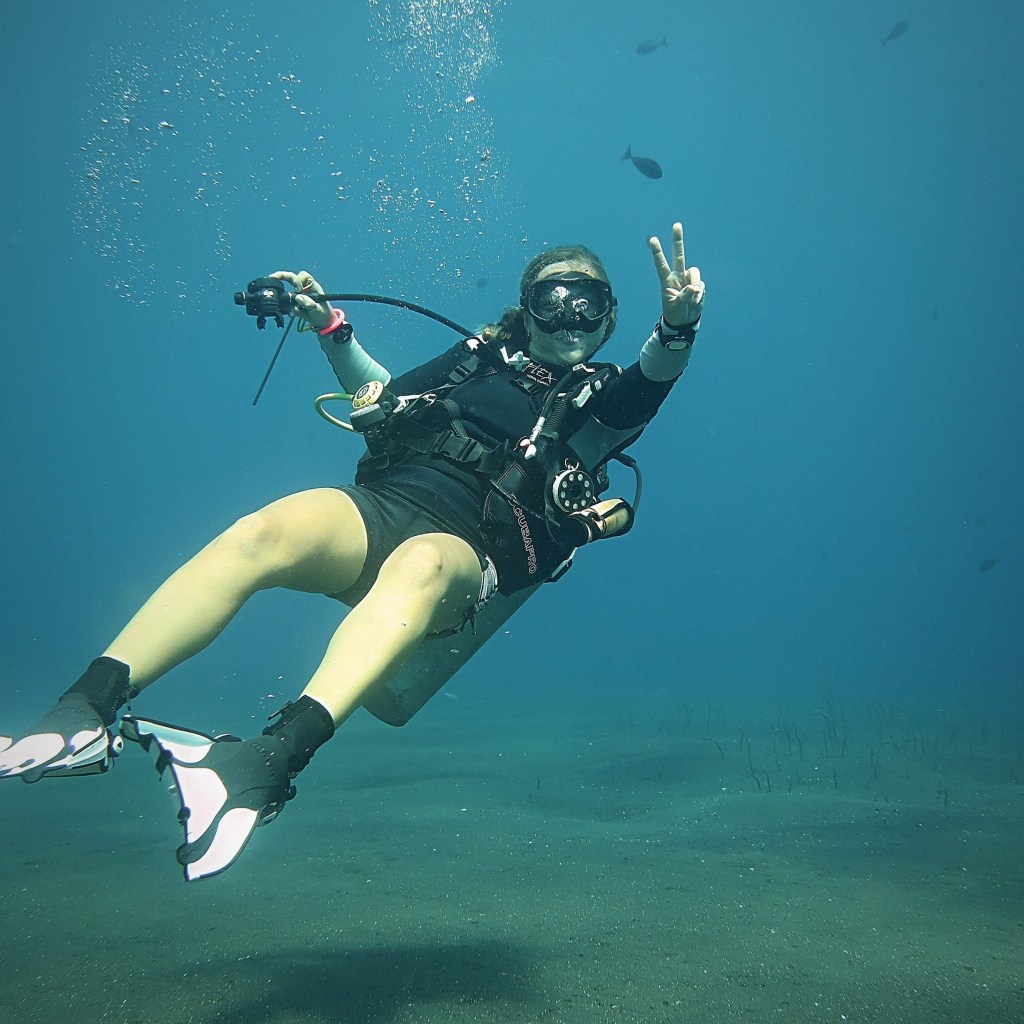
Beyond the skills and theory, every professional diver is expected to demonstrate exemplary behaviour — both in and out of the water. Students and fellow divers naturally look to Divemasters as role models, so it’s important to lead by example. That means maintaining excellent buoyancy control (ideally with a clean frog kick), showing genuine respect for the marine environment, and having a good understanding of local marine life. Whichever organisation you choose, these are universal qualities of a true dive professional — and it’s worth asking yourself whether a short, three-week course can really teach all of that effectively.
From my own experience, I’d say Divemaster training is the single most important foundation for anyone aiming to become a great dive instructor. Unfortunately, it’s sometimes treated as just another course to tick off quickly, rather than the vital professional step it truly is. Many instructors also have to juggle their regular teaching schedule alongside Divemaster training, which can mean less time and attention for the trainees.
That’s why finding the right dive shop (or Instructor!) makes all the difference. If you come across a centre that takes the time to deliver thorough, hands-on Divemaster training — one that genuinely invests in preparing you to guide divers safely and confidently anywhere in the world — then you’ve struck gold. That kind of experience sets you up not just to pass the course, but to thrive as a dive professional.
Divemaster Internship – Is it worth it?
There’s no one-size-fits-all answer — some Divemaster internships are fantastic learning experiences, while others fall short. It all comes down to the quality of the dive shop and how the programme is run.
Different types of internship options
Divemaster internships can vary quite a bit, and it’s worth knowing what to expect before signing up. Some are paid programmes, where you cover the cost of your training but gain valuable hands-on experience over a set period, usually between two and six months. This approach lets you develop your skills at your own pace and revisit anything you’re unsure about, without the pressure of owing the shop work in return.
More commonly, however, the term “internship” refers to unpaid training in exchange for helping out at the dive centre. In these setups, you gain experience assisting instructors, guiding divers, and learning how a dive shop runs day to day, rather than paying for the full course upfront.
And a quick word to those who believe they can “trade” dive training for social media exposure: diving education has real costs. If you approach a dive shop with an offer like that, make sure you’ve done the maths on what you’re actually proposing. A Divemaster course typically costs around €1,000 — so if you’re offering one reel per week over a month, that’s about €250 of value per reel. If you can genuinely offer that level of return, you probably don’t need free training in the first place.

Pros and cons of doing a DMT internship
Unpaid work isn’t everyone’s cup of tea — and to be honest, I’m not a big fan of it myself, even though I’ve done my fair share of unpaid internships in my younger years. The reality is that, in diving as in many industries, internships can be fantastic learning opportunities or simply a way for businesses to get free labour.
Some dive shops rush the Divemaster course in a few weeks, then have trainees work full-time as unpaid guides for months, while others offer minimal instructor contact and lots of “fun dives” without real learning. On the other hand, well-run internships provide structured, hands-on training under close supervision, allowing you to build genuine experience as a Divemaster. Whichever route you take, remember that you’ll still need to budget for your living costs throughout the internship period.
Questions to ask yourself before committing
Before signing up for a Divemaster internship, it’s worth taking a moment to think about what you really want from the experience. Do you prefer to be a paying customer with the right to expect structured, high-quality training, or are you happy to trade your time for experience? Is an internship genuinely more affordable once you factor in your living costs, or would it actually cost less to complete a shorter, paid course over one or two months instead of spending six months working unpaid?
You should also find out exactly how the internship is organised and what’s expected of you once the training portion is complete. And finally, ask what happens if something changes — for instance, if you’re unable to finish the internship period. Having clear answers to these questions will help you choose the option that best fits your goals and budget.
My personal advice and experience
Before you commit to any Divemaster training or internship, ask for a clear training plan that outlines the schedule, content, costs, and what’s included. This gives you a realistic idea of how your training will run and how long it should take. If a dive shop can’t provide this, it’s usually a red flag. Of course, plans may need to change due to weather, workload, or other factors, but having a written plan helps you track your progress and clarify what happens if delays occur — whether that’s due to illness, scheduling, or the shop itself.
It’s easy to forget that Divemaster training is also a form of service contract, so treat it like one. Ask for written confirmation of what’s agreed — don’t rush into a course simply because the idea of spending a few months abroad sounds exciting. A good agreement protects both you and the dive centre, ensuring everyone knows what’s expected.
And finally, remember that this isn’t a diving holiday. While there’s plenty of fun to be had, your Divemaster course is still professional training. During this time, you’re effectively part of the dive shop team, and reliability matters. By all means enjoy the experience, but make sure the shop can count on you — no one benefits from a hungover DMT turning up late in the morning.
What does professional diving equipment really mean?
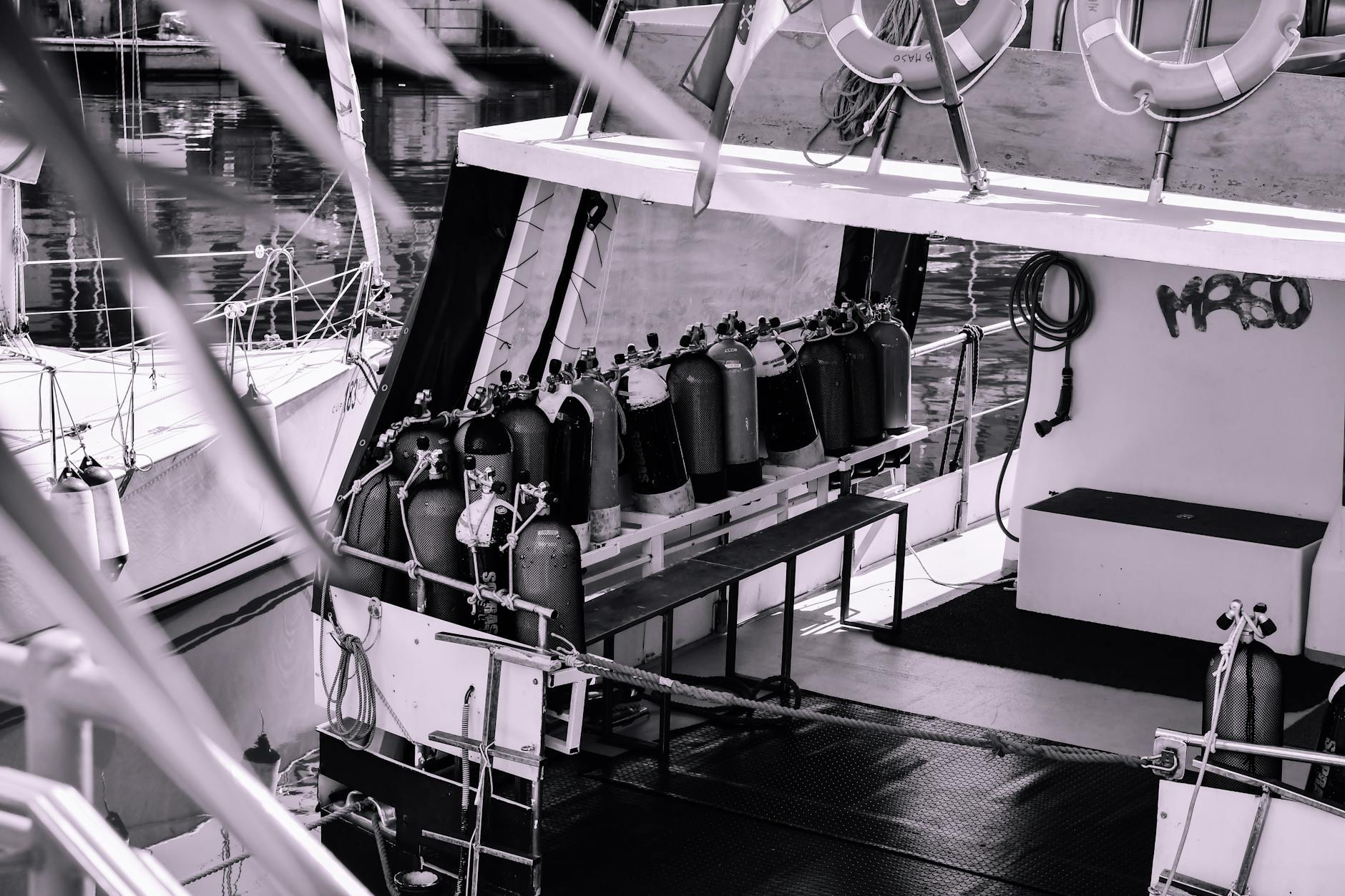
If you’re planning to move straight into professional diving after your course, it’s well worth investing in your own full set of gear — either before or during your training. Having your own professional equipment not only makes you more comfortable and confident in the water but also gives you a clear advantage when applying for Divemaster jobs later on. Dive centres are far more likely to hire someone who’s already properly equipped and ready to go.
- Fins, mask and snorkel
- Buoyancy control device (BCD)
- Breathing regulator system with primary regulator and alternative air supply, inflator, pressure gauge
- Weight system
- Dive computer
- Appropriate cold protection for the local diving conditions (wet or drysuit)
- Compass
- DSMB (surface signal buoy)
- Surface emergency signal (whistle, horn etc)
- Knife or cutting tool
- Logbook (manual or digital)
The “zero to hero” divemaster route – good idea or not?
What “zero to hero” means in diving
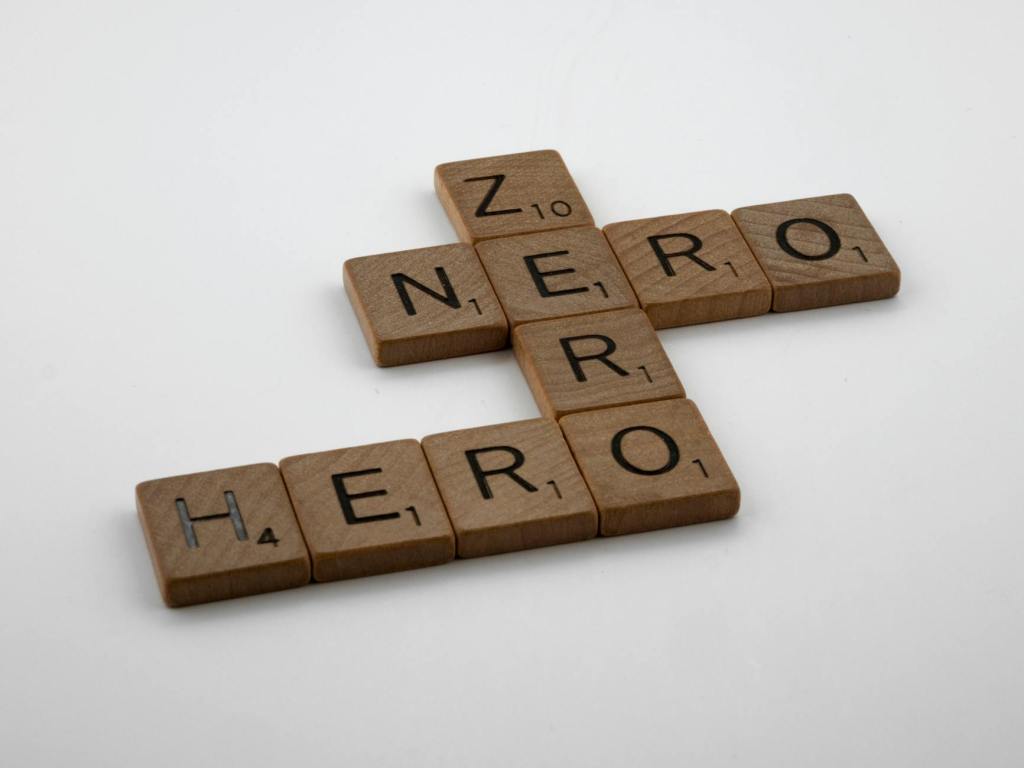
In diving, the term “Zero to hero” refers to an accelerated training path that takes someone with little or no diving experience all the way to Divemaster or even Instructor level in a short period of time. It’s an appealing route for those eager to fast-track their way into the dive industry, but it comes with both benefits and potential drawbacks.
Pros and cons of this fast-track approach
The biggest advantage is consistency – you often complete the entire training in the same dive shop, sometimes even with the same instructor. However, the downside is that such intensive programms can feel rushed. There’s a risk that the training only meets the bare mimimum requirements, without giving you enough time or real-world experience to truly develop into a confident, capable professional. Especially when you aim for your instructor training this course is – again – the foundation.

Final thoughts – making the right choice for your diving journey
I personally paid for all my diving courses myself, carefully budgeting and saving before I started — and taking my time with each step proved to be one of the best decisions I made. If that’s not an option for you, but you’re still keen to pursue your Divemaster training, take the time to do your research and find a programme that genuinely suits your needs and goals rather than simply going for the cheapest or fastest route.
In my view, the Divemaster course is the most important building block for becoming a skilled and confident instructor later on. It’s worth doing it properly, without rushing. If you’ve already built a good relationship with a particular instructor through your earlier courses, continuing your training with them can also be a great advantage, as they’ll already know your abilities and areas for improvement.
I’d also highly recommend spending some time working as a Divemaster before jumping into instructor training. It’s a brilliant stage in your diving journey — full of learning, fun dives, and hands-on experience without the full legal responsibility that comes with teaching. When you do eventually move on to instructing, that extra experience will make a world of difference, both in your confidence and in your ability to teach safely and effectively.
 divepromentor.com