- Which Diving Organisation should I choose — PADI, SSI or another?
- Is an Instructor Internship worth it?
- Is „Zero to hero“ Instructor Training a good idea?
- What are the prerequisites for the Instructor Course
- What to expect during your Instructor Course?
- What can I teach after becoming a certified instructor?
- Final thoughts: Finding your path as a Dive Instructor
Which Diving Organisation should I choose — PADI, SSI or another?
As in all other articles, I will only refer to PADI and SSI here, as I am allowed to teach in these two organisations. There is a difference between PADI and SSI, but both are members of the World Recreational Scuba Training Council (WRSTC) and follow the same ISO standard. These standards establish a worldwide minimum training standard in recreational diving, making it not only safe but also possible for divers and professionals to switch between different organisations without lacking knowledge.
Understanding membership fees and annual costs
Regardless of the organisation, all diving instructors are required to pay annual fees to maintain an active teaching status. This status grants the instructor the right to certify students under that organisation for the current year. Instructors who choose not to renew their membership remain certified but become inactive, meaning they cannot conduct training or issue certifications until their active status is reinstated.
Until recently, PADI instructors could complete a reduced-price crossover to SSI, allowing them to become certified with both organisations without repeating the full instructor course. However, as of early 2025, SSI has discontinued this option. New applicants must now complete the entire instructor training program to obtain SSI certification, bringing both organisations into closer alignment regarding their instructor qualification processes.

PADI distinguishes between “Instructor fee” (instructor costs) and “EFR Instructor” (instructor for first aid courses) in the annual fees to be paid. In 2024, these costs totalled 358.54€ for instructor and EFR renewal, including a discount for automatic renewal, plus foreign assignment fees, which are billed in Australian dollars.
2025 Renewal without benefit for automatic renewal:
- Instructor only: AUD 625.00 (approx. 340€)
- EFR Instructor: AUD 160.67 (approx. 90€)
PADI’s annual fee stays the same no matter how many courses you teach. SSI takes a different approach – there’s no separate fee for being an Instructor or a First Aid Instructor, and you earn credits for every student you certify. Those credits can then be used to lower your annual fee or pay for specialty courses. Since dive instructors don’t usually make a lot due to the industry’s low pricing, covering these costs can take some careful budgeting.

How to boost your job opportunities as a Dive Instructor
Many diving instructors, myself included, are certified to teach through two organisations, and some even a third. The choice is entirely yours. In some regions, one certification may be sufficient, while in others, having multiple affiliations can provide more opportunities. If budget constraints prevent you from pursuing additional certifications right away, that’s perfectly fine — but being qualified with more than one organisation can undoubtedly enhance your job prospects. And languages. The more languages you speak, the better.
Remember, you’ll need to cover annual fees to keep your instructor status active. The most affordable option is the automatic renewal each November. Many instructors can’t afford to renew with every organisation, so they only maintain the one they’re currently working with. However, if you move or switch employers later, reinstating your status with another organisation can cost significantly more.

Comparing teaching materials: PADI vs SSI
I’ve always been a big fan of QR codes, so I was genuinely pleased when PADI finally introduced QR code verification for training dives this year — much like signing a dive logbook, but digital. SSI has offered this feature for quite some time, while PADI’s previous method through its online processing centre was rather tedious and time-consuming.
Some might disagree, but I actually prefer the PADI Instructor Manual. It’s a single, downloadable PDF that’s easy to access offline. To be fair, that’s just my personal view — I was trained through PADI, so I’m more used to their system. SSI instructors probably find their setup perfectly fine. Personally, I find SSI’s structure a bit fragmented, with each course having separate standards that must be loaded individually. It’s time-consuming, and downloading each course as a PDF isn’t ideal, especially with no clear update notifications.
Certain courses require specific teaching material, and in this area, PADI has made great progress in 2025. SSI has long provided all teaching materials free of charge, and thankfully, PADI has now followed suit. Previously, instructors had to pay extra for specialised materials, so this update is a welcome change for many.

Is an Instructor Internship worth it?
Ultimately, the decision is yours. Do you have an online job that limits your ability to travel? Does your partner need more stability while you complete your training? Or perhaps you simply prefer a more consistent routine rather than frequent changes of location? If so, an instructor internship might be the right path for you.
The main considerations are quite similar to those for a Divemaster Internship. You’ll need to think carefully about how you want to structure your training and how much you’re willing or able to invest. Keep in mind that living expenses – such as accommodation, food, and transport – are usually additional costs unless they’re specifically included in your training package. If you do choose an internship, make sure you understand exactly what’s covered, how long you might be expected to work unpaid, and what the training requirements are.
Some dive shops also offer what’s known as team teaching, where newly certified instructors teach alongside experienced professionals. This setup allows you to build confidence, gain real teaching experience, and receive valuable feedback and tips from seasoned instructors. It’s worth asking how this programme is organised, as the structure and level of support can vary between shops.
Is „Zero to hero“ Instructor Training a good idea?
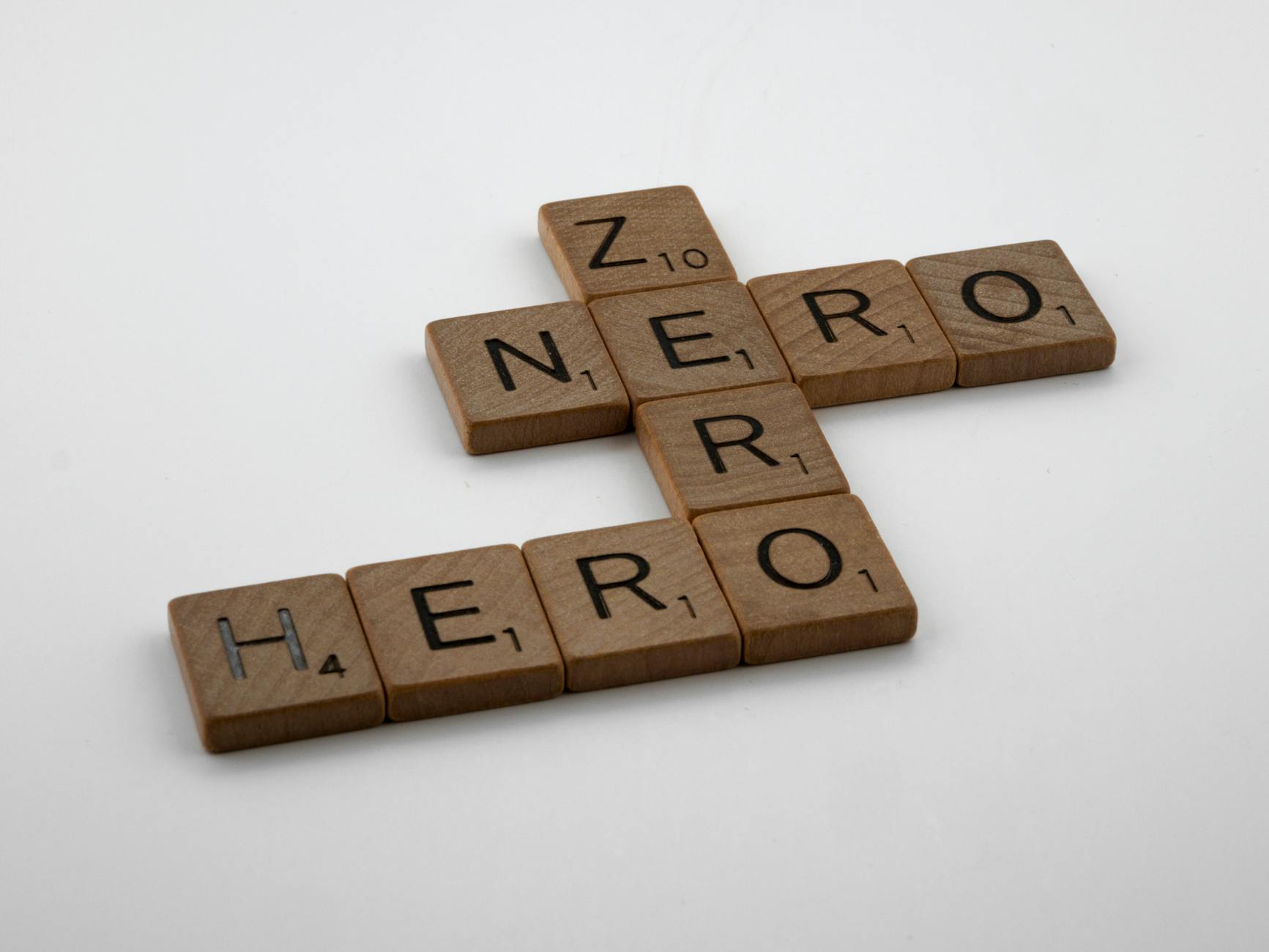
What exactly does “Zero to hero” Training mean?
“Zero to Hero” training offers a fast-track route from beginner to instructor. Whether this approach is right for you really depends on your personal circumstances, learning style, and goals. On the surface, completing all training levels within a few months at the same dive shop sounds convenient – and it certainly can be – but it’s not the only path to becoming an instructor.
The question is whether six months is truly enough for someone with no prior experience to reach instructor level. In many cases, these candidates finish their course with only the minimum number of dives required by the standards. That’s not necessarily a bad thing – I’ve met divers with just 17 dives who were far more skilled than others with 300. It all comes down to consistency and experience in the water.
Diving frequently plays a major role in skill development. Some recreational divers may have hundreds of dives logged, but these are spread over many years with long breaks in between. Compare that to someone who dives two or three times a day, every day – the difference in comfort and ability is often clear. And while training at a single dive shop can provide continuity, experiencing different shops and instructors usually broadens your perspective and deepens your understanding of teaching styles and dive conditions.

Does “Zero to Hero” Training really make sense?
Joa. Hmmm… how do I write about this point in the most neutral way possible?
Let’s put it this way: every apprenticeship in any profession has a minimum training period for a reason – to ensure the skills are learned properly and safely. There’s also a reason why, in most professions, some time must pass after the initial qualification before you’re allowed to train others. Experience takes time to build.
With “Zero to Hero” programmes, the entire journey from beginner to instructor is completed in the shortest possible timeframe. Which means:
- 3 days and 4 official dives for the Open Water course
- 2 days and 5 official dives for the Advanced course
- 2-3 days and 2-3 official dives for the Rescue Diver
- Fun Dives to collect at least 40 dives for the Divemaster course
- Complete the Divemaster course with at least 60 dives
- Fun Dives to collect the minimum number of 100 dives to complete the instructor course
- Instructor with 100 dives
Does that sound like enough experience to safely and confidently teach a sport that involves a certain level of risk? If someone has previous experience, perhaps as a professional diver or in the military, they might be suitable. Otherwise… well, I’ll let you decide for yourself.

Personally, I’m glad I took my time. From the moment you complete your IDC/ITC (Instructor Development/Training Course) and receive your certification, most of your time will be spent teaching. That’s why having hands-on experience as a Divemaster first makes a lot of sense to me. That was my own path, and I also came with prior teaching experience outside of diving, which certainly helped.
As a Divemaster, you actually teach quite a lot – subtly and carefully, but you do teach if you want to and if the customer is open to it. The advantage is that you’re not legally responsible for the divers; someone else has already signed them off as qualified.
Looking back, I’m really grateful I had that time as a Divemaster. Working with refreshers, exploring different dive sites, collaborating with various dive shops, and guiding both boat and shore dives all gave me invaluable experience that made me a far better instructor in the long run.

What are the prerequisites for the Instructor Course
PADI Instructor Development Course (IDC) prerequisites
- PADI Divemaster, or leadership level with another diver training organization
- 18 years old
- 60 logged dives; documented experience in night diving, deep diving and underwater navigation
- If not a PADI Divemaster, successfully complete the PADI Divemaster course dive rescue assessment
- Certified diver for six months
- Medical clearance attesting to dive fitness signed by a physician within the previous 12 months
- Emergency First Response Primary and Secondary Care course completion (or qualifying training) within the last 24 months
PADI Open Water Scuba Instructor (OWSI) program course prerequisites
- All IDC prerequisites
- PADI Assistant Instructor, or current instructor member in good standing (eligible to renew*) with another recreational diver training organization for at least six months
PADI Instructor Examination (IE) prerequisites
- 100 logged dives
- Successfully complete the Instructor Development Course or the Open Water Scuba Instructor Program within the past 12 months
- Emergency First Response Instructor or CPR/first aid instructor with another emergency care organization
SSI Instructor Training Course (ITC) prerequisites
SSI Instructor Training Course candidate prerequisites
- Minimum age | 18 years old
- Have the following SSI certifications or an equivalent from a recognized training agency:
- Divemaster
- Enriched Air Nitrox 40
SSI Instructor Training Course Prerequisites
- 60 logged dives totaling 40 hours or more
- Open Water Diver or higher for at least six (6) months prior to starting the Instructor Training Course
SSI Open Water Instructor Evaluation (IE) prerequisites
- 100 logged dives totaling 65 hours or more

What to expect during your Instructor Course?
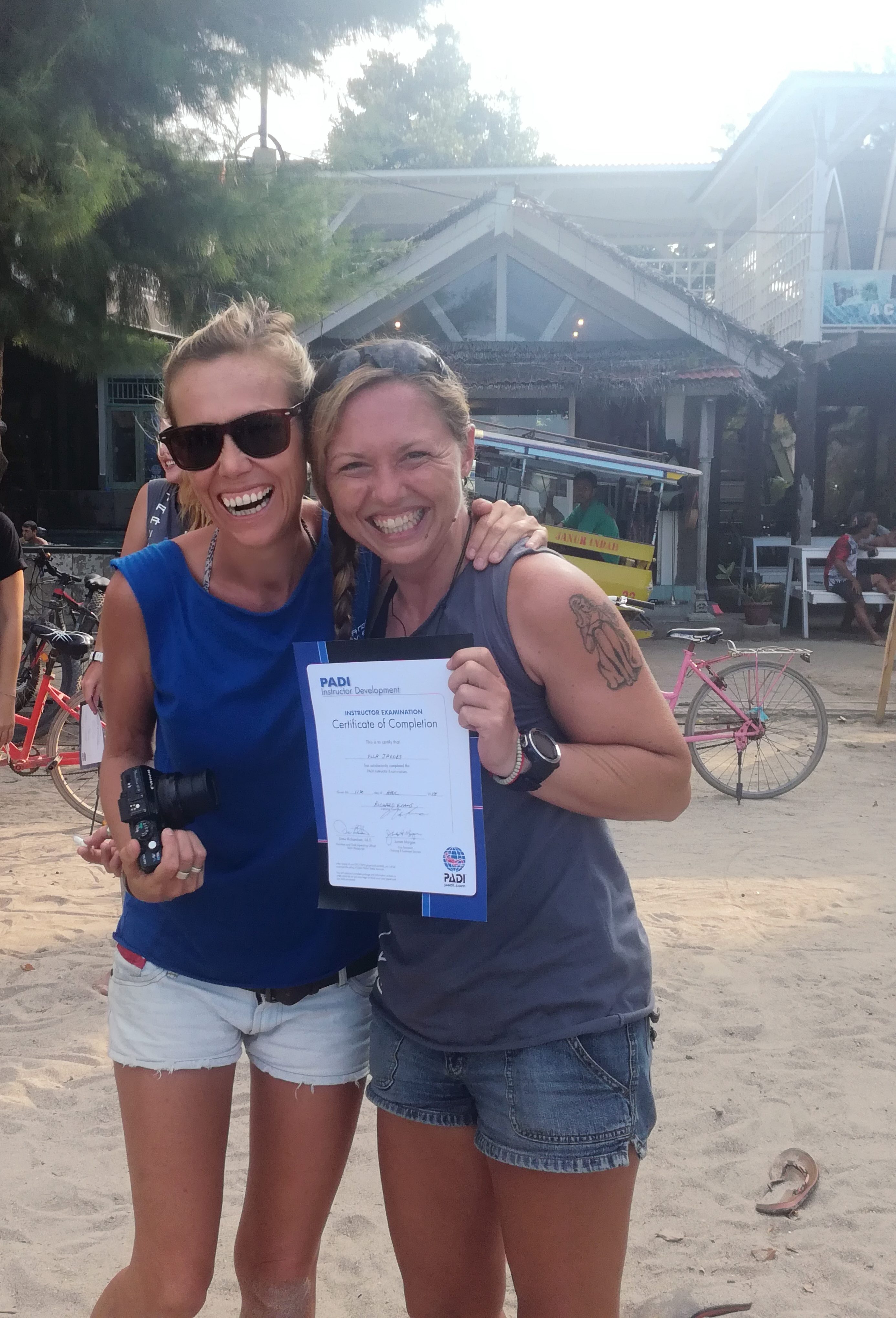
It’s often said in the diving industry that the instructor course mainly prepares you to pass the IE (Instructor Examination or Evaluation) – and in many cases, that’s probably true. I was fortunate to have an excellent PADI Course Director (in SSI “Instructor Trainer”), but even then, I didn’t necessarily feel like I learned how to teach during my IDC. In hindsight, that might be because I already had teaching experience from previous jobs, so I was viewing the course through a different lens.
That said, I learned a great deal from my Course Director Holly MacLeod – often through what she didn’t say. Her subtle approach made me reflect on my own habits and awareness as an instructor. At the end of my training, I asked her what she thought my biggest weakness would be as a teacher. I ended up answering the question myself – I had a tendency to overcontrol. She agreed. That realisation changed everything for me. Since then, I’ve focused on guiding my students by letting them think and learn through their own mistakes.
It’s important to note that the experience can vary widely depending on the trainer. My friend from Dive Culture is a good example. He teaches his candidates how to teach, not just how to pass the exam. That kind of mentorship is invaluable and can make a huge difference in how confident and capable you feel when you start teaching independently.

The Instructor Course is a lot of work, and the stronger your Divemaster training was, the easier it will feel. That’s why the Divemaster level is a prerequisite. However, since not every candidate comes in equally prepared, some Course Directors or Instructor Trainers offer pre-course sessions to refresh essential skills before the IDC officially begins — and that extra preparation can make all the difference.
If you feel that your Divemaster training left some gaps, if you’ve switched from another organisation, or if you haven’t been diving for a while, it’s well worth doing a dedicated refresher before starting your IDC. The IDC isn’t designed to make up for missing experience, limited practice, or a lack of confidence in the water — it’s there to shape capable divers into instructors, not to fill in the basics. Taking the time to get up to speed beforehand will make the entire experience far more rewarding and less stressful.
What is actually part of the IDC/ITC?
- Confined water skill demonstration
- Dive knowledge
- Teaching standards
- Classroom presentations
- Evaluation system
- Exam preparation
So, what do the bullet points actually mean?
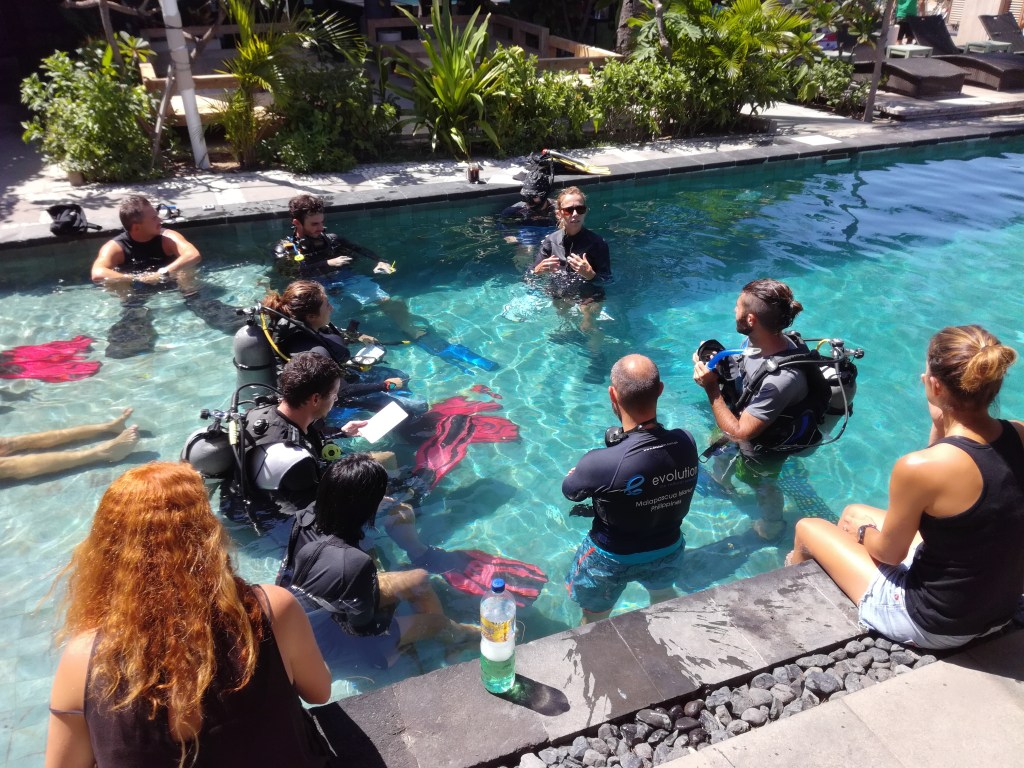
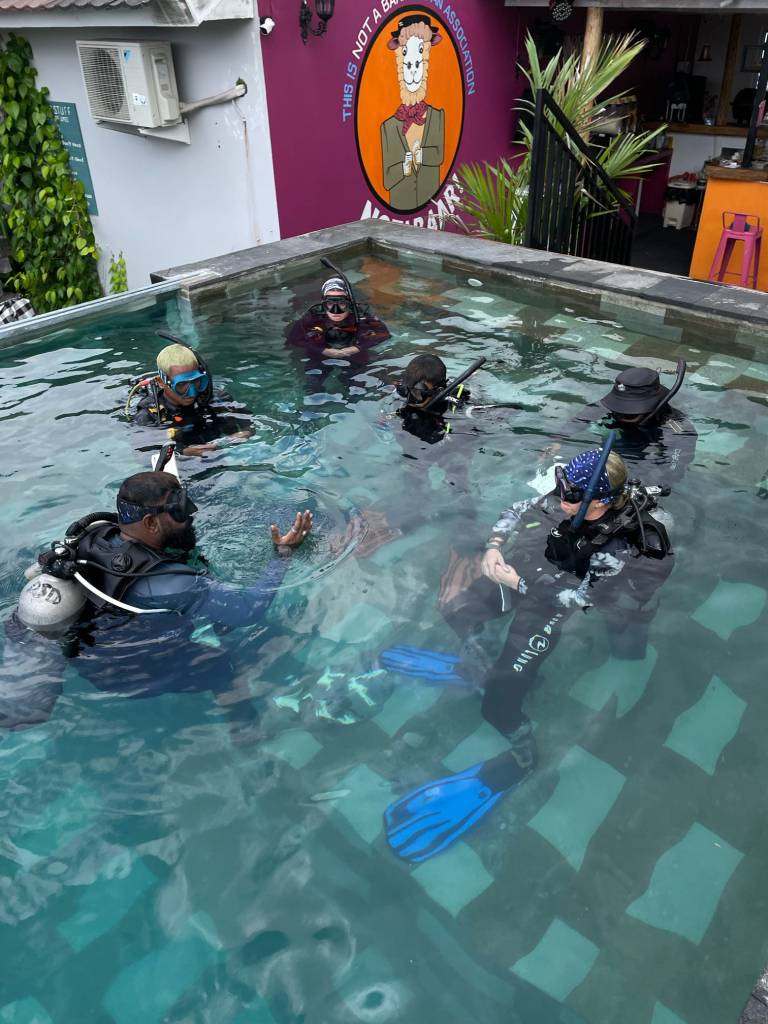
Mastering Confined Water Skill Demonstrations
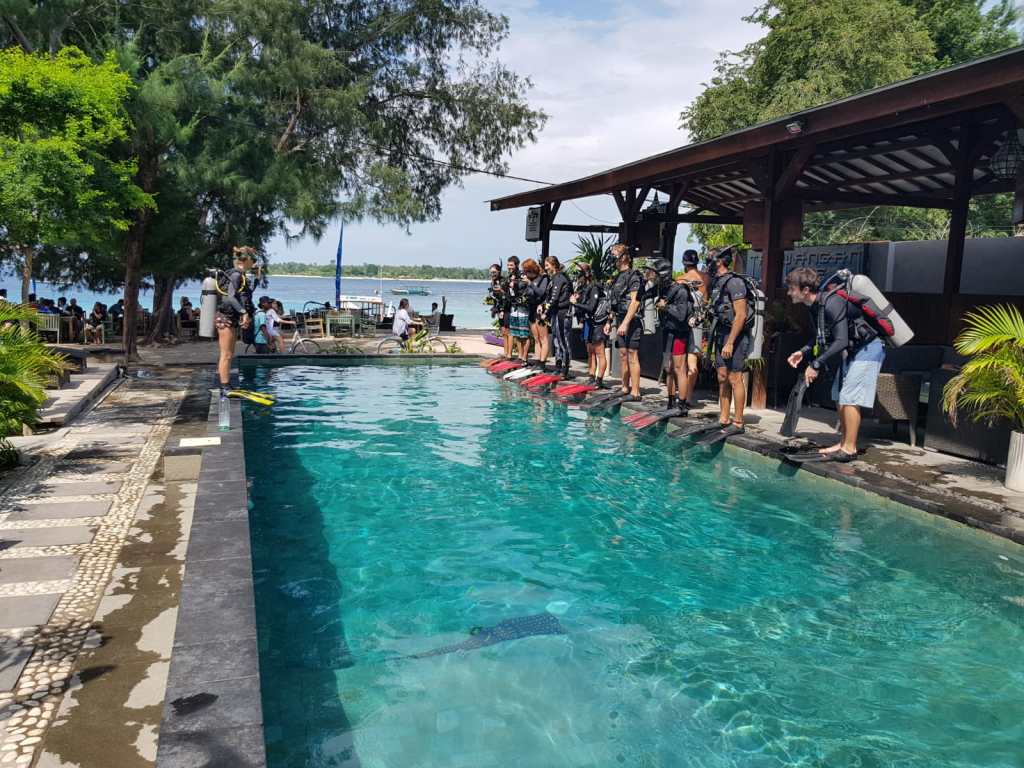
One of the first things you’ll revisit during the Instructor Course is the confined water skill demonstration. While this is technically part of Divemaster training, in reality, many candidates, ahem, don’t reach a polished demonstration level. That’s why a good portion of the IDC is often spent refining these skills until they can be performed with clarity, confidence, and precision.
If you think back to your Open Water course or even your first scuba experience, you might remember how your instructor explained each skill and then demonstrated it step by step underwater. As a future instructor, you’ll learn to do exactly the same — but with more intention and attention to detail.
During the Instructor Course, you’ll not only practise explaining each Open Water, Advanced and Rescue skill in line with your organisation’s standards, but also learn how to break them down into clear, easy-to-follow steps – slow enough for students to understand, yet smooth and natural. You’ll also develop the ability to keep your students safe, spot common mistakes and correct them effectively, which is essential to creating confident, capable divers.
Depending on the skill, you’ll usually have one Divemaster assisting – though often not in real life. During my IDC, we frequently struggled with clear communication with the assigned DM, just assuming they would know what to do. That experience taught me how important it is to give clear instructions as preparation for working with Divemasters and DMTs.
Expanding your Dive Knowledge
This one might sound fairly obvious — if you’re going to teach diving from scratch, you need to know your stuff! But let’s be honest, it’s a lot to take in, and part of the challenge is learning how to explain complex topics in a simple, approachable way. That’s why Dive Knowledge makes up a significant part of the Instructor Course.
This section covers the core theoretical areas of diving: physics, physiology, equipment knowledge, and the diving environment. The fundamentals of these topics are introduced during the Divemaster course, but the IDC takes them to a deeper level. You’ll not only refresh what you already know but also learn how to convey it clearly to new divers. This involves breaking down concepts like pressure, buoyancy, gas management, the effects of diving on the human body, and environmental awareness in a way that makes sense to beginners. It also prepares you for the theory-based questions and calculations you’ll face during the Instructor Exams, helping you feel confident in both understanding and teaching the material.

Understanding and Applying Teaching Standards
Just as you need solid dive knowledge, you also need to understand the standards of your chosen dive organisation. These standards are the framework that ensures safety, consistency, and quality in diver training — and as an instructor, it’s your responsibility to know and follow them.
During your Instructor Course, you’ll learn how to read and interpret these standards, understand how they apply to real teaching situations, and quickly look them up when you’re not entirely sure about something. Knowing where to find the right information is just as important as remembering it — and it’s a skill that will serve you throughout your entire teaching career.
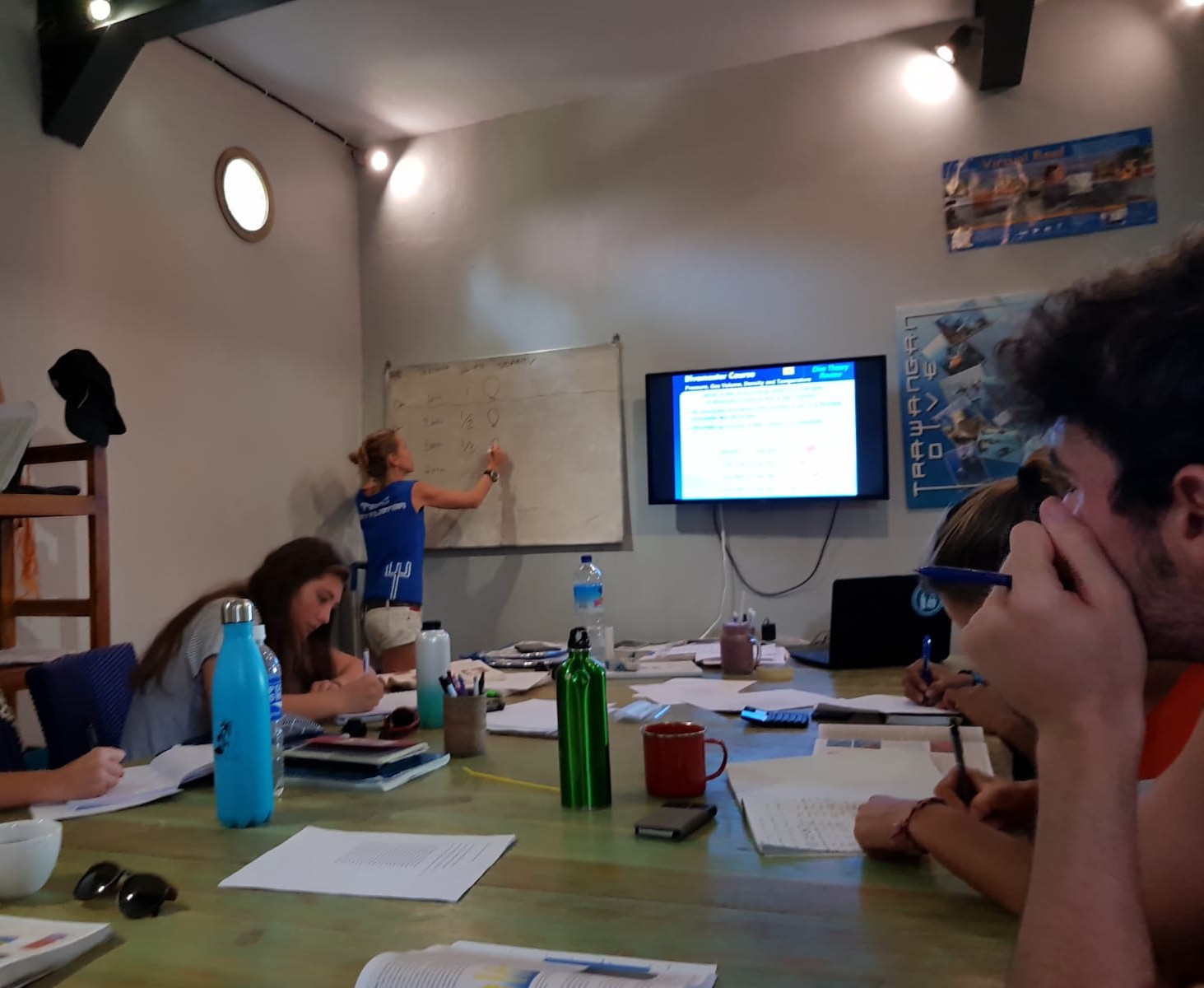
Classroom Presentations: Learning to teach theory effectively
As I completed the PADI IDC and later an SSI crossover, I can only speak from firsthand experience with PADI in this case. During my IDC back in 2018, we were required to deliver short classroom presentations – usually around five minutes – based on questions that students might answer incorrectly in the Open Water Course knowledge reviews.
Each presentation followed a specific format: a PowerPoint slide, a clear explanation of the correct answer using a non-diving example, a practical demonstration with a diving-related tool, and finally, a quick review of the students’ understanding, linked to continuing education with a visual aid like a poster. It’s very structured.
In reality, I’ve never seen an instructor teach exactly that way during an Open Water course. It’s more of an over-preparation exercise – but a valuable one nonetheless. You don’t just learn how to explain diving concepts clearly; you also learn how to present and promote further training in a natural, confident way. After all, diving is also about sales to some extent – and being able to upsell additional courses can make a real difference when your income is largely commission-based.
When I later taught with SSI, classroom presentations were mandatory, which I actually quite liked. Ideally, you teach chapter by chapter, but in reality, time constraints often mean you need to condense a lot of information into shorter sessions. As for how SSI structures classroom presentations during their Instructor Training Course (ITC), I can’t say for sure, so I’ll refrain from making assumptions here.

Evaluation and Exam Preparation: How to Pass the Instructor Exam
Your Course Director will guide you through everything you need to know to pass the Instructor Examination/Evaluation (IE). Like any other formal exam, there are minimum scores and performance standards you must meet. You’ll sit written exams for each topic, all with set time limits and required passing marks. If you’re completing the IE in a language other than your native one, you can usually request a time extension. To prepare, most IDCs include mock exams at the end of the course — repeated practice tests that help you identify and improve any weak spots before the real thing.
You’ll also give a classroom presentation within a limited preparation time, which is why all that practice during your IDC becomes so valuable. And, of course, there’s an in-water evaluation too. You’ll demonstrate assigned confined water skills as an instructor, while your fellow candidates act as students — and sometimes as Divemaster assistants. The examiner will assign them deliberate “mistakes” that you’ll need to spot and correct effectively.
When my own exam day arrived, I was surprisingly relaxed. I’d spent most of the IDC stressing and chasing perfection, but by the time the evaluation came, I realised I’d done everything I could. So I let go, enjoyed the moment, laughed a lot – and apparently did everything right, because I passed. Sometimes, confidence is simply the result of good preparation.

What can I teach after becoming a certified instructor?
PADI Open Water Scuba Instructor (OWSI) in active status
- Discover and Advanced Snorkeling
- Discover Scuba Diving
- Bubblemaker and PADI Seal Team (children under 10 years)
- ReActivate (Refresh program)
- Scuba Diver
- Open Water Diver
- Adventure Diver
- Advanced Open Water Diver
- Rescue Diver
- Divemaster
- Coral Reef Conversation Specialty
- Peak Performance Buoyancy Specialty
- PADI AWARE Specialty
- Dive Against Debris Specialty
- Master Scuba Diver if holds 5 specialties
- Emergency First Responder Course if an active EFR instructor
SSI Open Water Instructor (OWI) in active status
- Try Scuba
- Basic Diver
- Referral Diver
- Indoor Diver
- Scuba Diver
- Open Water Diver
- Experienced Diver Test
- Scuba Skills Update (Refresh program)
- Advanced Open Water Diver
- Perfect Buoyancy Specialty
- Diver Stress & Rescue Specialty
- Enriched Air Nitrox Specialty
- Science of Diving Specialty
- Dive Guide Specialty

Final thoughts: Finding your path as a Dive Instructor
In the end, every organisation has its own strengths and weaknesses. What truly matters is that we all share the same goal — to train safe, confident, and responsible divers.
Take your time to do proper research. Think about which organisation best fits your goals, and consider carefully where and with whom you want to complete your instructor course. These choices will shape not only your teaching path but also the kind of instructor you’ll become.
Personally, I’m not a fan of rushing into teaching — or rushing courses in general, whether it’s diving or any other passion. That’s just my humble opinion, of course. Everyone’s journey is different, and there’s no single “right” path — only the one that feels right for you.
And just as a small reminder: I’m only human. I make mistakes, and I’m not a Course Director or Instructor Trainer — I simply share my experiences as honestly and clearly as I can. If you spot any errors or have thoughts to add, feel free to leave a comment. I’m always happy to learn, too.
 divepromentor.com
Leave a comment